
by caremin
Relief and recovery are coming in slow but steady for affected communities in the Philippines
Typhoon Odette (international name “Rai”), the strongest typhoon to hit the Philippines in 2021 carved a trail of destruction across a dozen provinces in the central Philippines when it made landfall on December 16, 2021. It left 407 dead, over half a million displaced, and US$176 million worth of damage to livelihood and infrastructure. A month after the typhoon, provinces are far from recovered. Power is still out across entire provinces, and communication is still difficult, especially in remote communities.
The typhoon affected International Care Ministries (ICM) bases in Visayas and Palawan — both ICM staff and the ultra-poor with whom it works. ICM is a non-profit organization that has served those living on less than US$0.50 per day in Visayas and Mindanao for almost 30 years. Through those years, the organization has seen its share of natural disasters, but Typhoon Odette has been one of the worst.

ICM Cebu Office
Stories from the Field
An ICM staff sent this message days after the typhoon,
“I am asking for prayers for my family. They are starving right now in the streets waiting for donations. Typhoon Odette washed away their house. As of now, they are staying in the streets waiting for help from cars passing by. It really breaks my heart. My sister has lost hope; she began to walk into the ocean to die. Thank God that her son pulled her from the waters before anything worse could happen. Please pray for my family.”
“Many typhoon victims are still standing by the roadside at 7PM. They are waiting for a chance to receive relief goods so that their family members can have food to eat and clean water to drink.”
Xavierry, a savings group coordinator, reported.
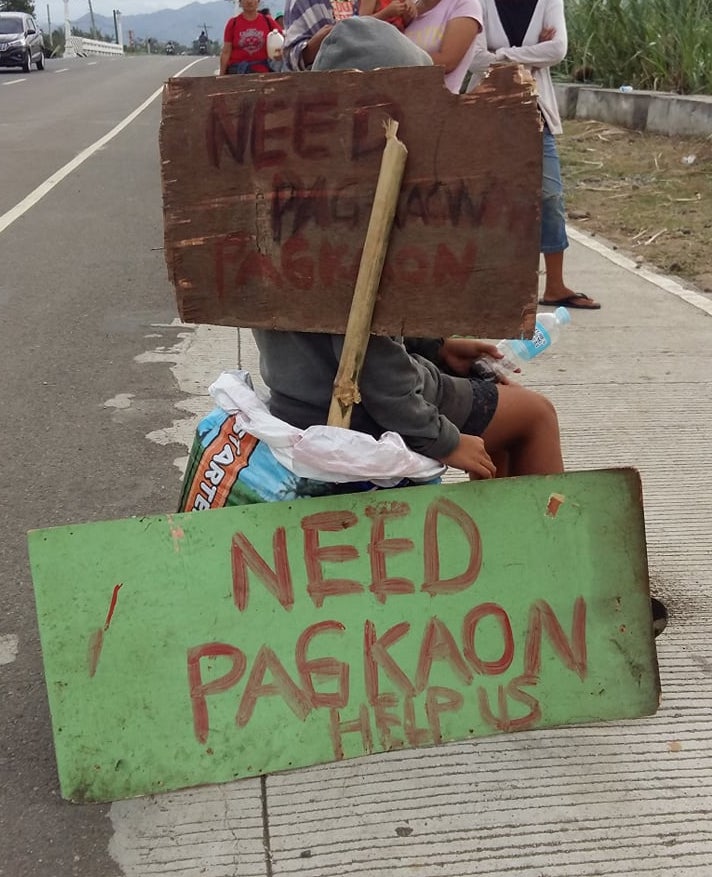
Signage (Need Food, Help Us) beside the Street of Bais City
“Every time I see people who lost their homes out on the streets running after a vehicle which they thought might have something for them, it makes my heart bleed. We can only do so much and there are still a lot of families who need clean drinking water and food that we haven’t reached out to and helped. I am here because of that, and will continue to volunteer to help.”
said a former ICM staff member who is volunteering during distributions.
“Today we were able to travel to our branches to check on them. My heart was in deep sorrow seeing their houses and churches crushed by the typhoon. But I can see hope in their faces. Just seeing us makes them happy and hopeful — just seeing us made them feel better. Now we’re just hoping we can help as many people as we can,”
said Alexander Sacay, ICM’s Bohol Area Head in Bohol, one of the worst-hit islands.
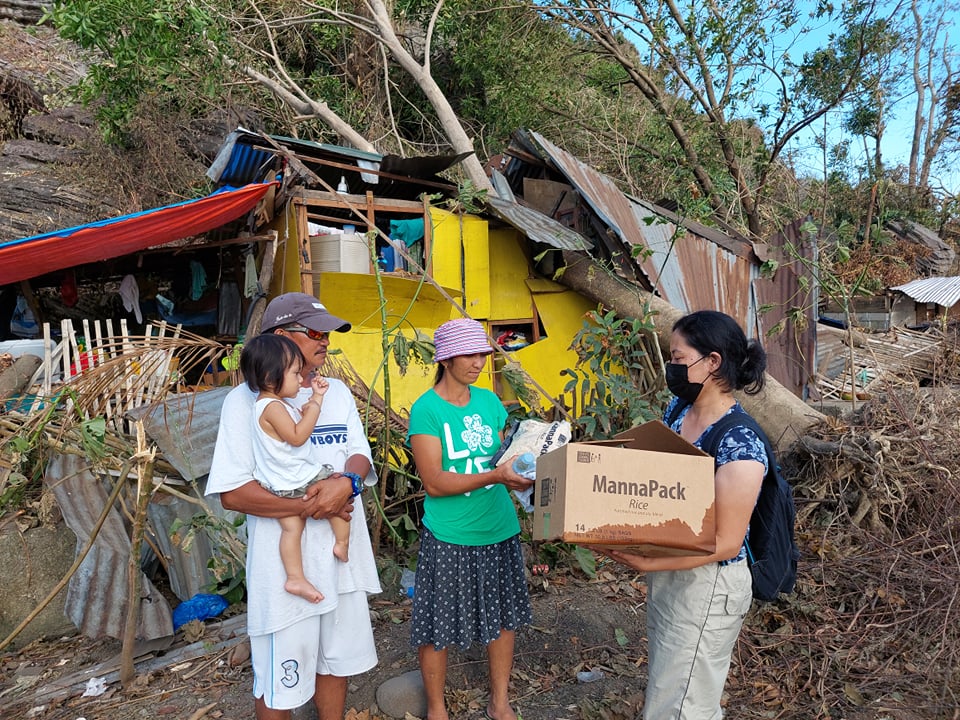
Family with damaged house recieved a box of food pack_Bais City
Relief, Rebuild, Recover
ICM’s relief operations continue as donations and supplies come in. Community partner pastors alert the organization through REDI (Rapid Emergency and Disasters Intervention), ICM’s SMS hotline. They report exactly where families are in need, and how many, so that ICM’s field staff can verify the reports and tailor their response to the specific localized scale of damage.

Typhoon Odette Relief Response in Sipalay, Negros Occidental
Eventually, immediate relief distribution will give way to helping communities rebuild their homes and church buildings. ICM also plans to provide its Recover program to 150,000 people in the next six months to build resilience and help families to restart businesses, savings and income-generating initiatives.
To learn more about ICM’s work and relief efforts for ultra-poor families recovering from the aftermath of Typhoon Odette, go to www.caremin.com/odette-response.
About the Author
caremin
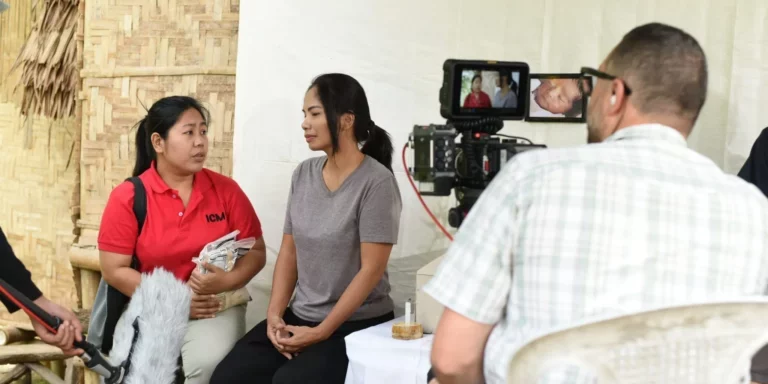

The ICM community is full of people who care about effective, efficient, research-backed solutions in the fight against ultra-poverty. We would love to have you join us!
Stay in touch
Stay up-to-date on news, programs, and more by joining the ICM community.